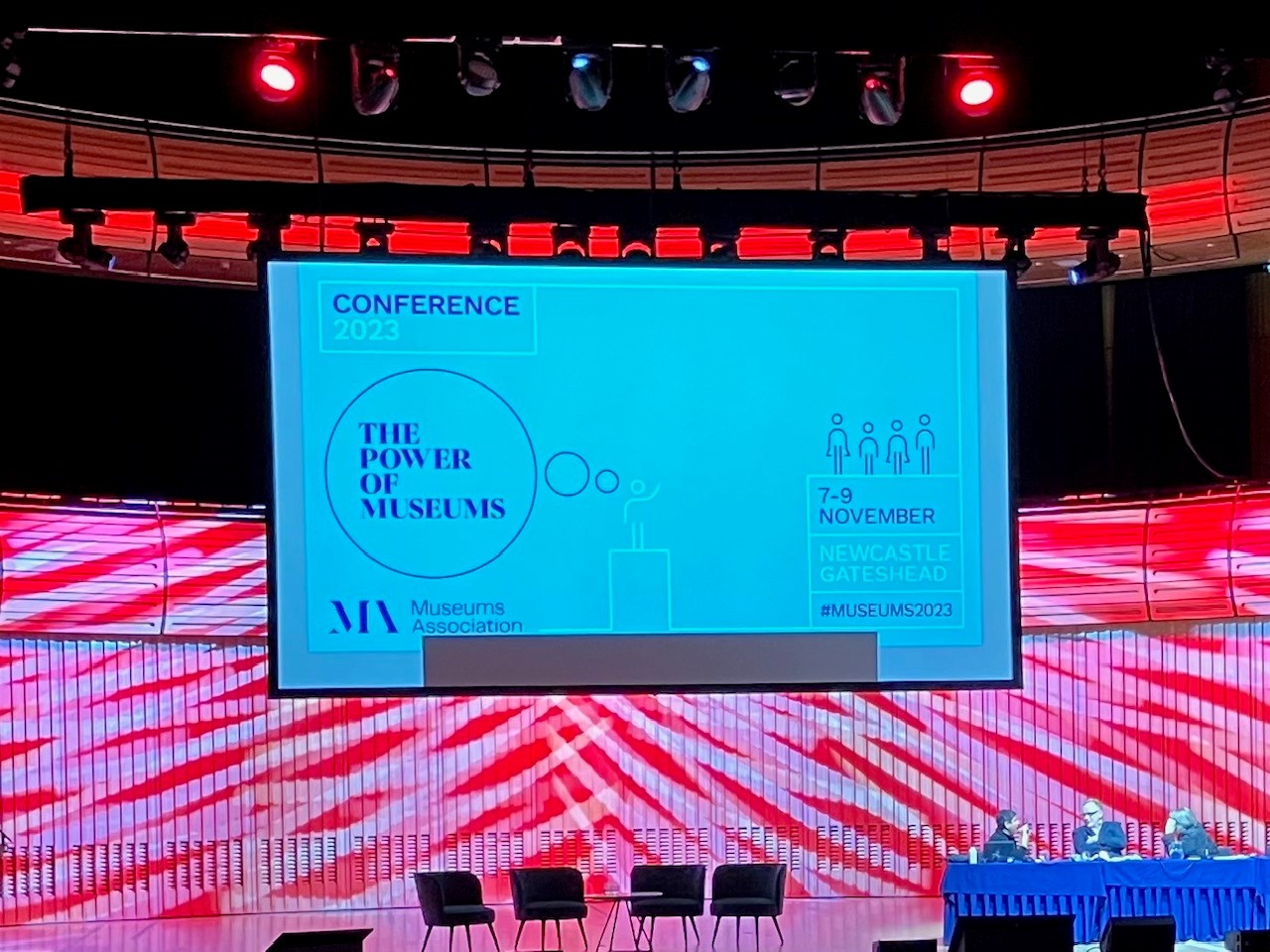
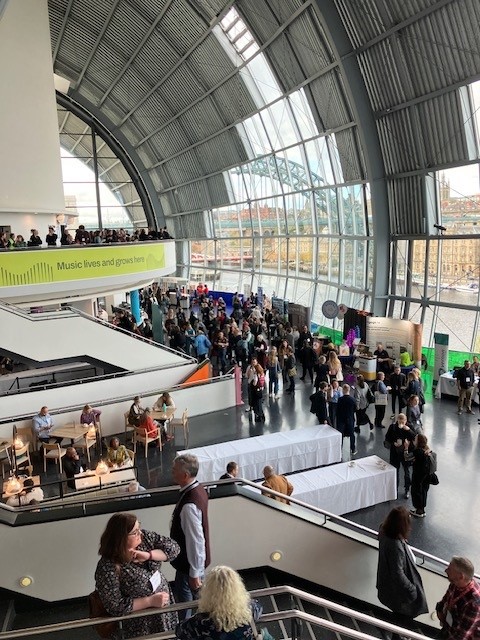
This month I was up in Newcastle Gateshead for the Museums Association 2023 conference. The theme? The Power of Museums.
The programme was packed full off sessions to explore how museums can help communities flourish, have a positive impact on health, wellbeing and economic regeneration, and also how we can provide a space to reflect on pressing issues such as the cost of living crisis and discrimination.
For a sector that has and continues to struggle with relentless funding cuts, knackered old buildings, redundancies and a loss of curatorial knowledge, it really is powerful in so many ways.
While there was much more negativity at conference than I was expecting, and a repeat appearance of the phrase ‘poly-crisis’, it was nonetheless cheering to hear about the amazing, dedicated work being done by colleagues across the sector.
Those that work and volunteer in heritage organisations do so because they truly believe in the power of museums to change lives, to unite communities, to tell everyone’s story, and in their potential to make a real difference.
There are a couple of things which have stayed with me in the weeks following conference;
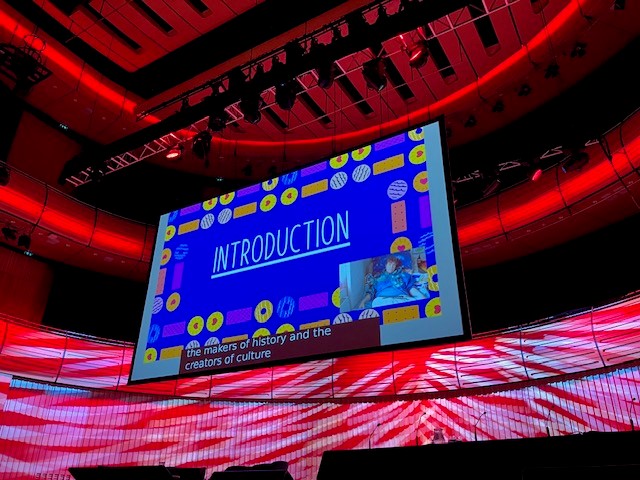
- Jess Thom, of Touretteshero, delivered an emotive and powerful presentation about the legacy of unchecked ablism and the impact of the barriers that we don’t even realise we are putting up. She gave my favourite quote of the whole conference; we are ‘the makers of history and the creators of culture’. What could summarise better the power that we all have to make a difference.
- How and who is interpreting our collections? A session on anti-racism and contemporary museum practice made me think about other barriers that are inadvertently put up. There were some thought-provoking statements on the embedded privilege of whiteness in the way museums collect, interpret and manage collections. The session ended with ‘Be brave. Be bold. Take action’. What action can I take to help give power and agency to under-represented voices?
- ‘The Power Of Letting Go’ - Why we owe it to society to dispose of museum collections. Some interesting challenges were posed in this session around how we think of collections, and that the idea of collecting for posterity is far from sustainable. Our collections storage facilities are at capacity and have a large carbon footprint, which in itself poses an ethical question. There were some stimulating conversations around growing our collections in quality, instead of size, and moving away from thinking of collecting as accumulation.
- Sir Ian Blatchford, Science Museum Group Director, spoke at one of the first conference sessions I went to. He highlighted how quiet and respectful we are as a sector, and said that perhaps we should be a bit more disobedient!
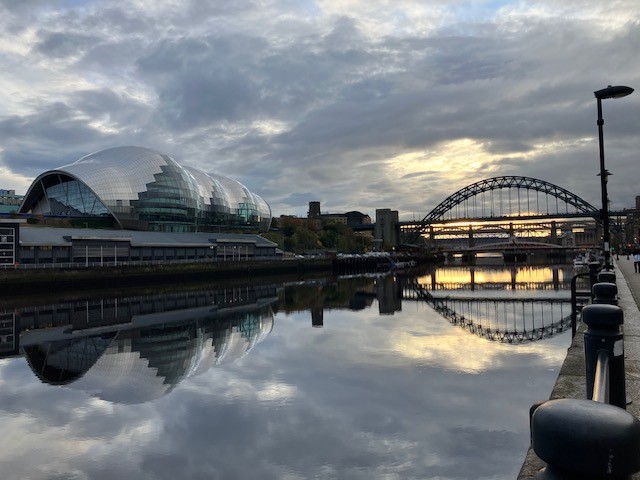
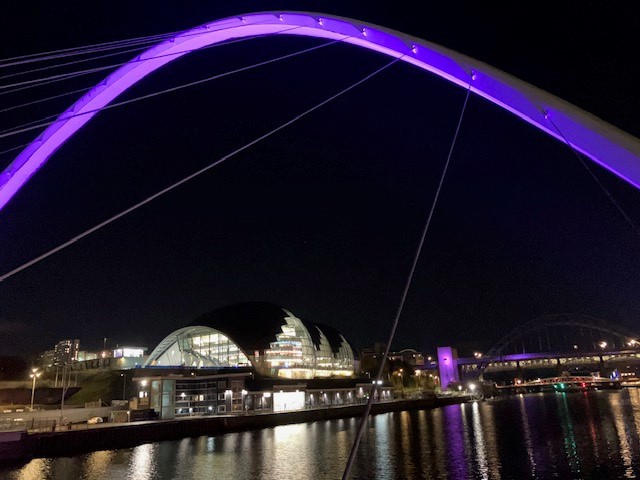
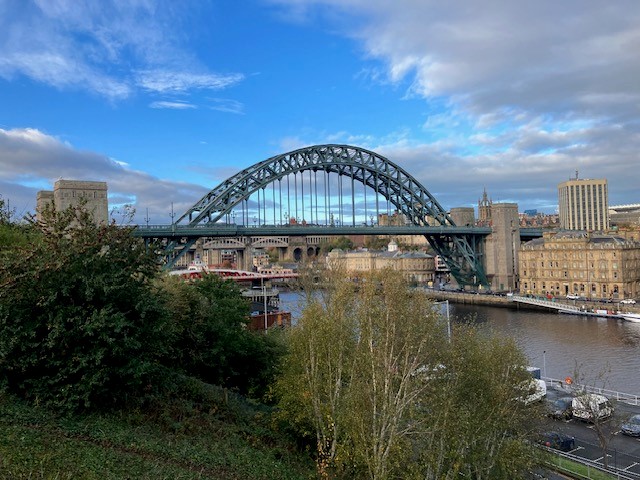
The Glasshouse (the Sage, as was) was a brilliant location and it was a wonderful opportunity to showcase the amazing museums and heritage venues in the North East.
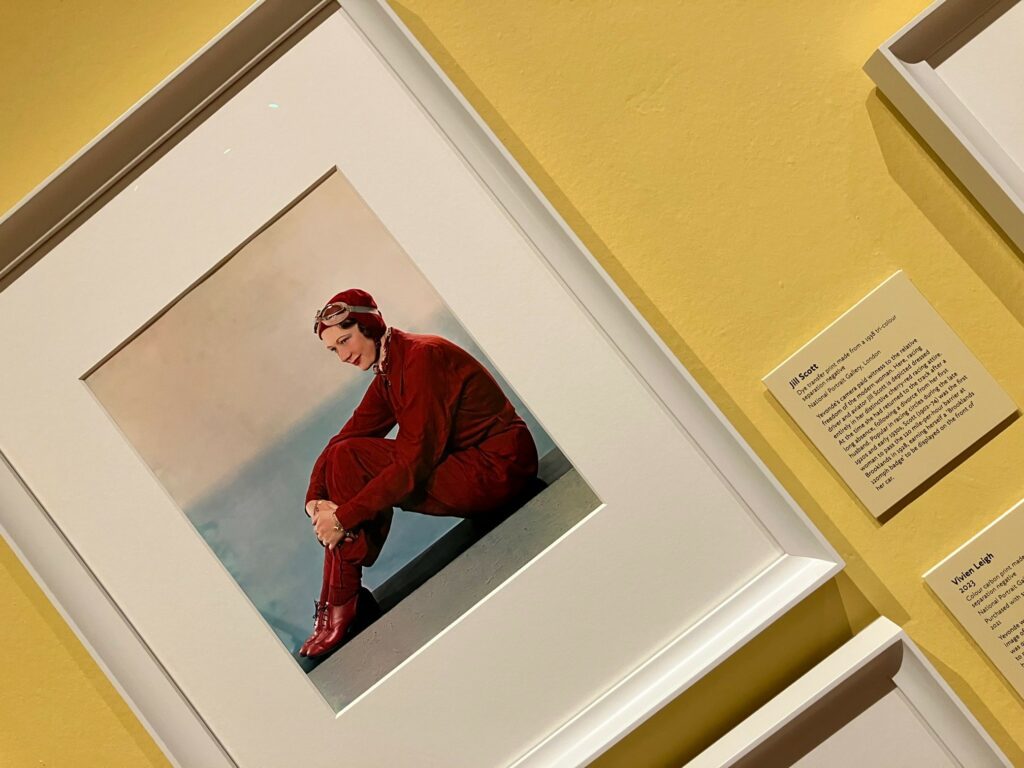
The opening event at the Laing Art Gallery gave the opportunity to see the Yevonde: Life and Colour exhibition. Yevonde Middleton was one of the very first women to become a portrait photographer, after establishing her first studio in 1914 she had a career that spanned sixty years and she photographed many celebrities. In 1938 she photographed Jill Scott, the first woman to pass the 120mph barrier at Brooklands in 1928.

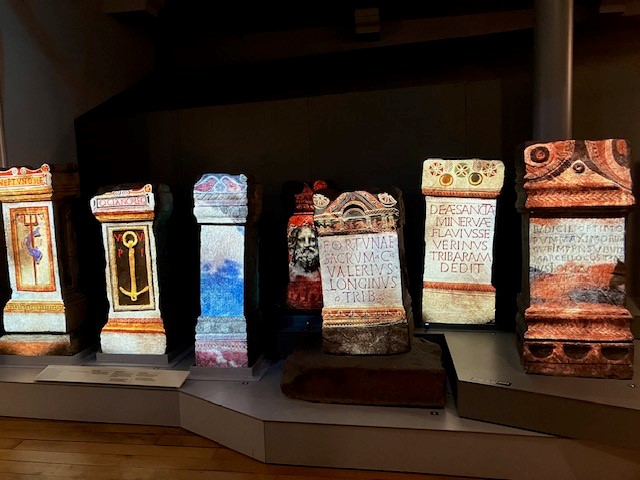
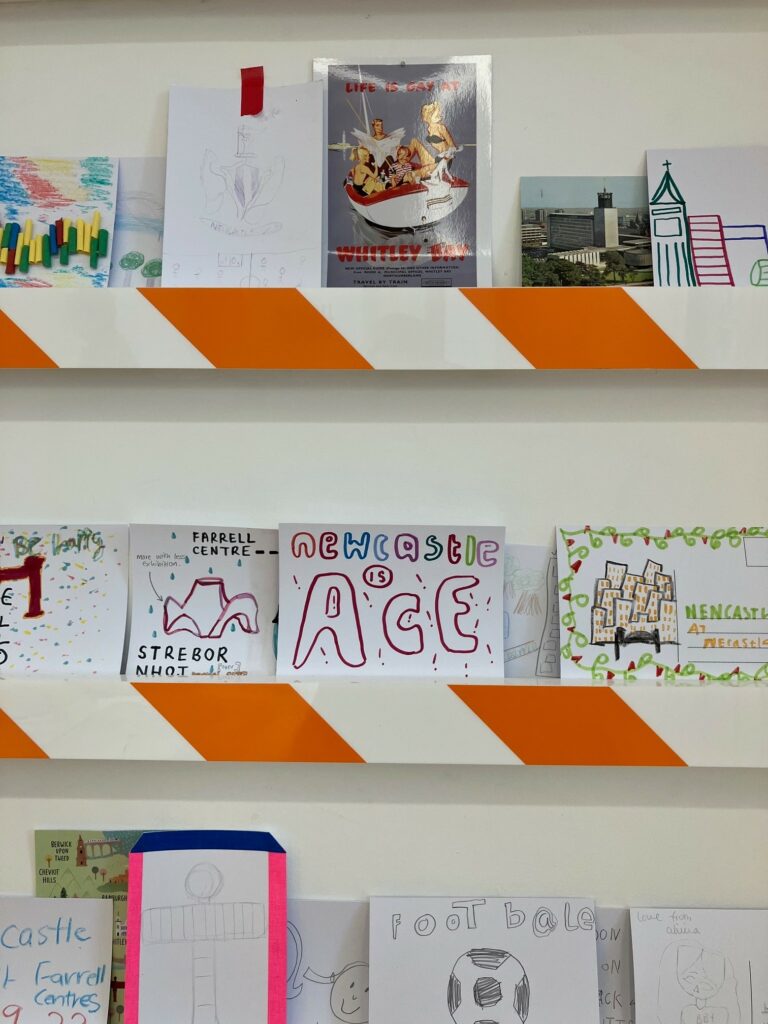
I also took the opportunity to attend some tours which were organised at the Great North Museum and the Farrell Centre. In one there were Roman altars brought to life with projections, and in the other a space to join architecture and community together. There were so many take-aways and inspiring ideas from these visits, and something that really struck me from the conference was the overwhelming sense of how seriously everyone takes the responsibility of their role, and their investment in it.
So now I’m newly re-empowered to bring some fresh perspective and ideas into my own work and put them into practice, and am off to think about how I can be more of a rebel!