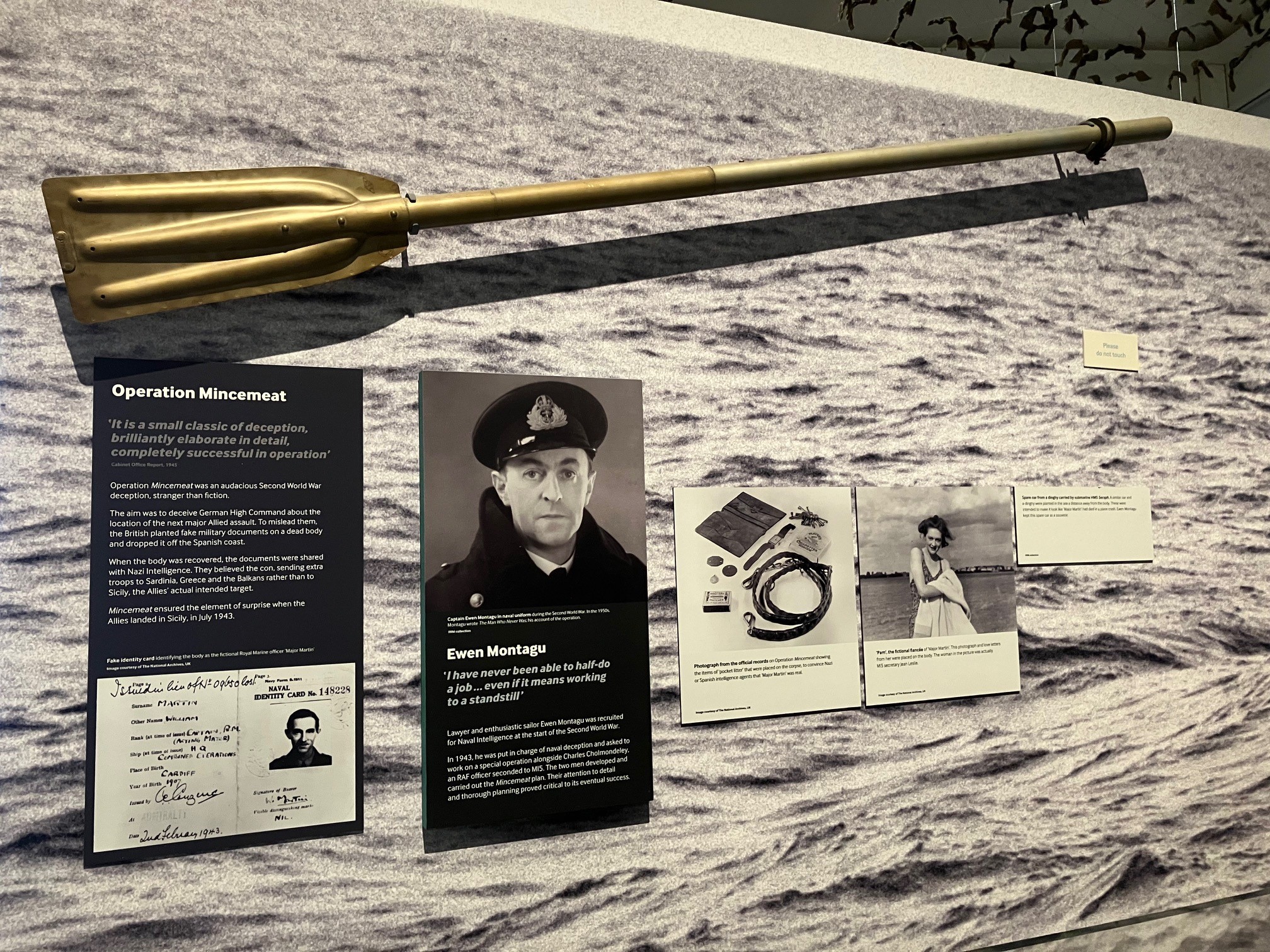
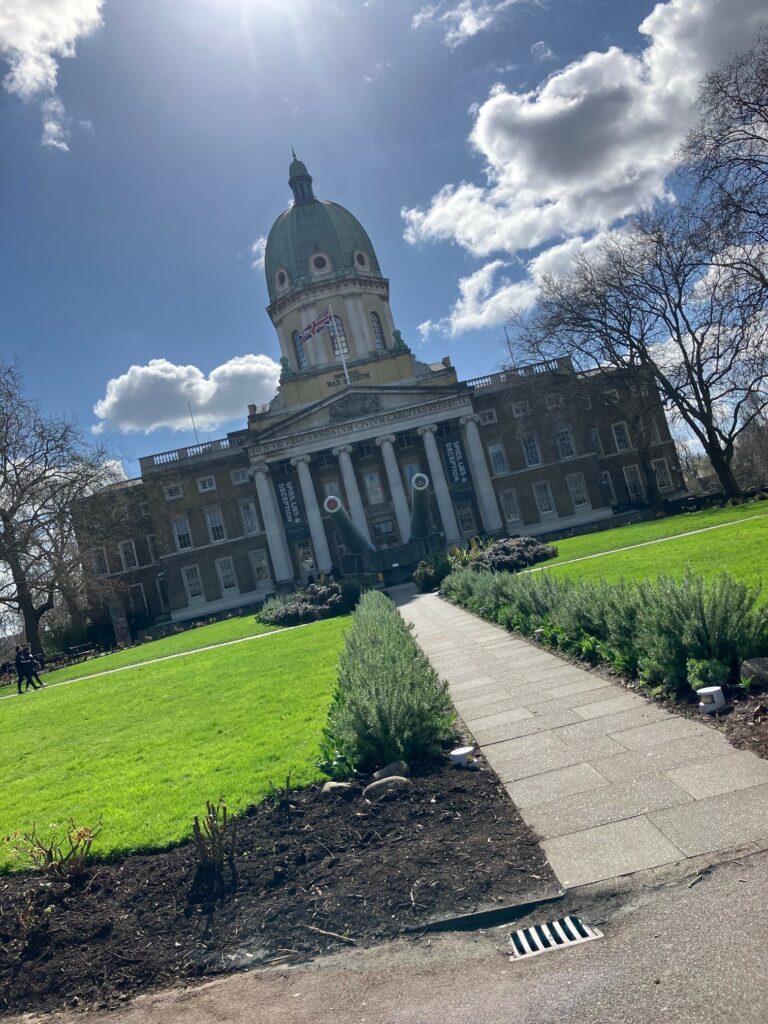
Before it closed earlier this month I went to see Spies, Lies & Deception at the Imperial War Museum. This brilliantly named exhibition full of espionage and intrigue did not disappoint. But how, you might wonder, is this in any way connected to AMHT?
The short answer is, Operation Mincemeat. A Second World War deception which has links to our own collection, and on which a small display was included in the exhibition.
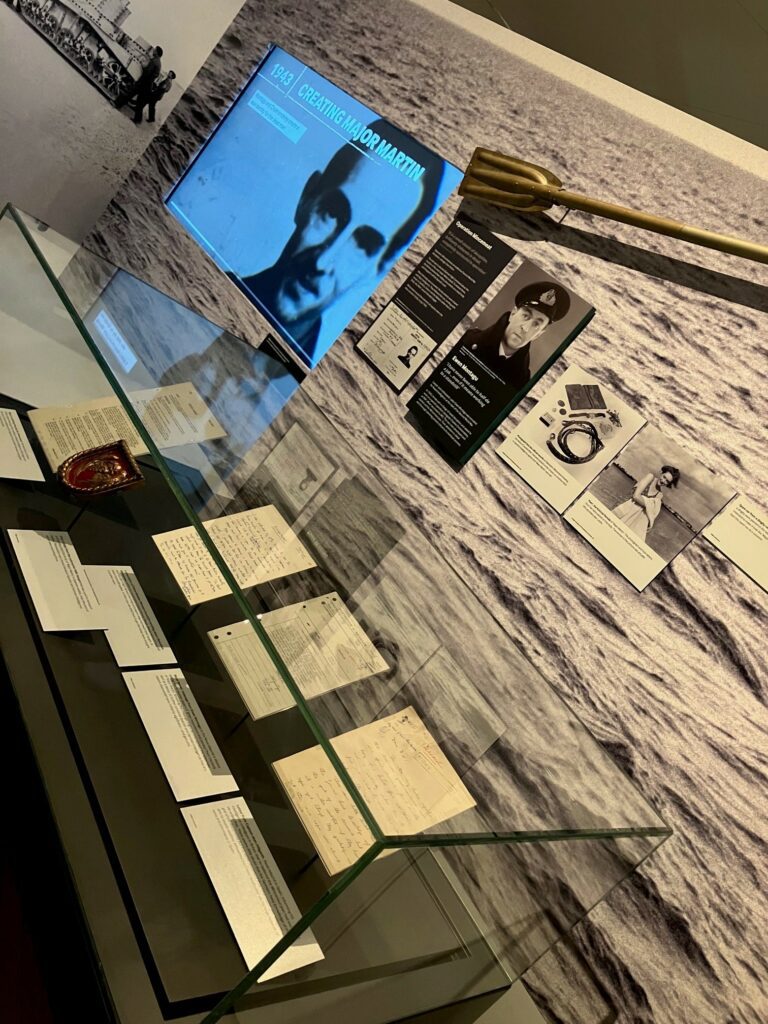
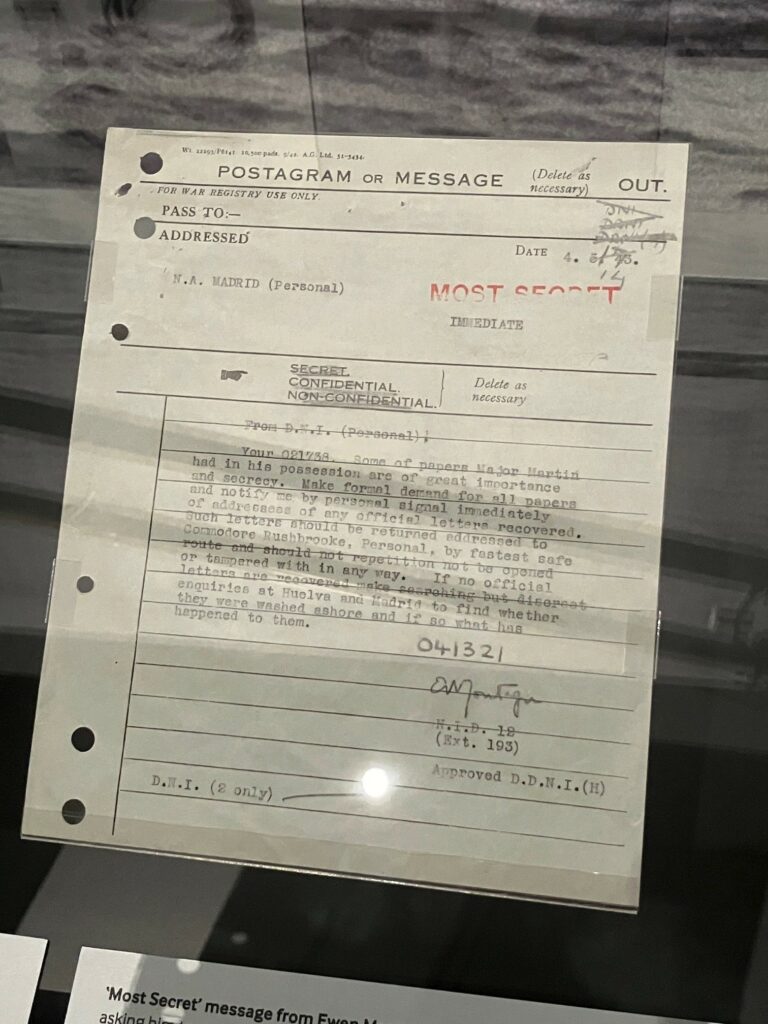
Operation Mincemeat was invented by British Intelligence and set in motion on the 30 April 1943. The ruse was designed to convince the Nazis that the real targets for the Allied Invasion of Sicily would be Greece and Sardinia.
Captain Ewen Montagu, a naval intelligence officer, and Squadron Leader Charles Cholmondeley, RAF, played leading roles in devising the operation. Their plan would see a dead body, dressed as a Major of the Royal Marines, set adrift off the coast of Spain with ‘secret documents’ attesting to the ‘real’ targets. ‘Major Martin’ was also given identification documents, a personality and a background to make it as believable as possible.
The body selected was that of Glyndwr Michael, a homeless labourer who had died in January 1943.
Operation Mincemeat was swallowed hook, line and sinker and the number of German troops sent to Sardinia were doubled, with additional divisions transferred to Greece and the Balkans. The Allied Invasion of Sicily was launched on 9 July 1943, Mussolini fell from power not long after and in just over a month Sicily had been fully captured by the Allies.
While an incredible piece of history in its own right, there is someone missing from the story, and this is where our racing driver comes in.
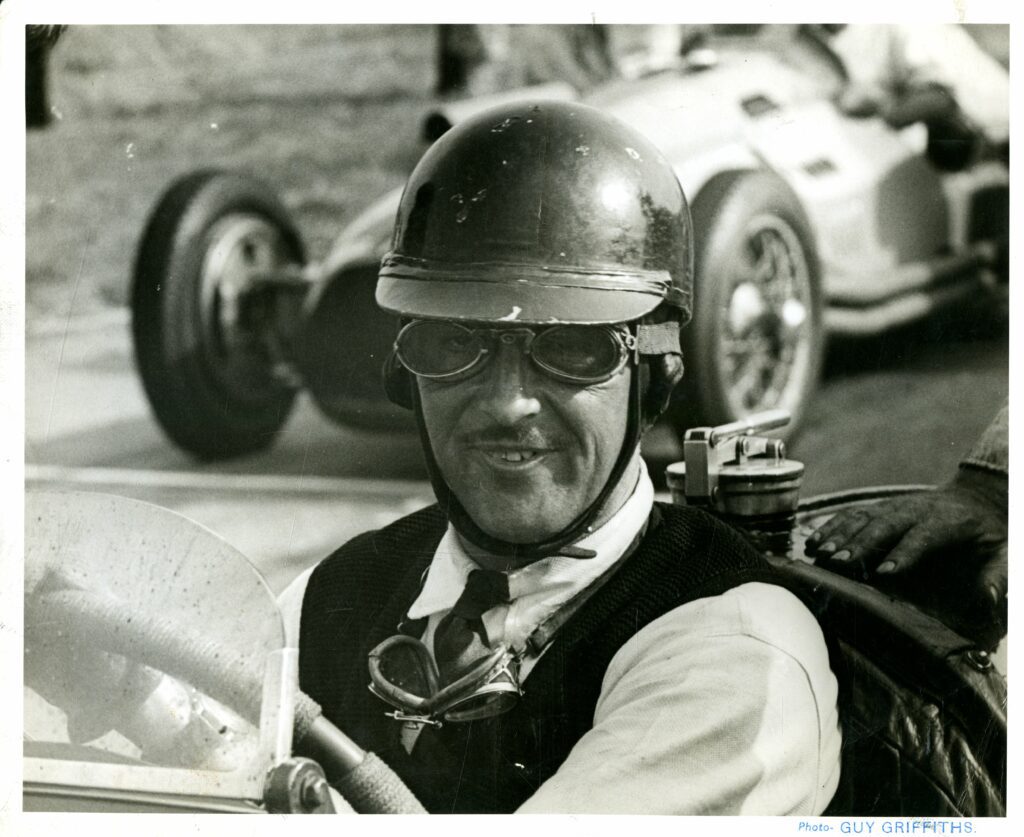
St. John ‘Jock’ Horsfall had become a popular and successful competitor on the race track by the late 1930s, regularly seen in his Aston Martin 2-litre Speed Model, nicknamed the ‘Black Car’. He was also earning works drives for Aston Martin themselves and had built a reputation as a talented, if somewhat reckless, driver.
With the advent of the Second World War motorsport came to a halt. Most likely exempt from military service due to his severe near-sightedness and astigmatism (for which he refused to wear corrective lenses), Horsfall was employed as a specialist driver by the Security Service.
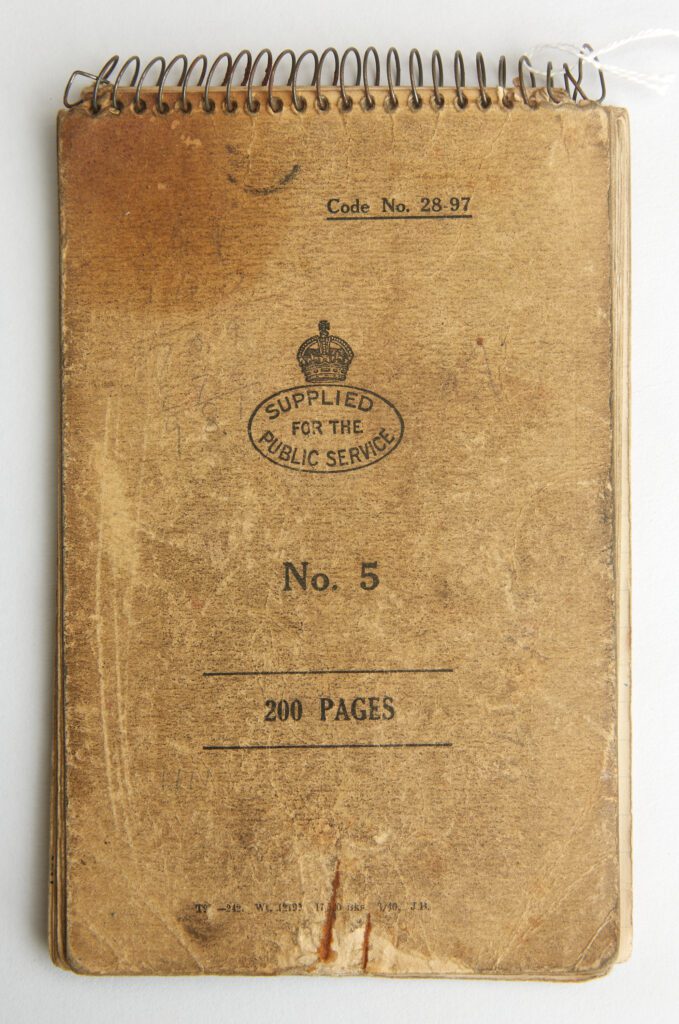
He worked with MI5 transporting the likes of ‘T.A.R. and J.C.’, ‘Little Man’ and ‘Tricycle’ (secret agents or intelligence officers) quickly across the country. His 1940-1941 wartime notebook, which we hold in the collection, attests to these journeys and documents the miles he covered collecting and delivering secret agents and double agents.
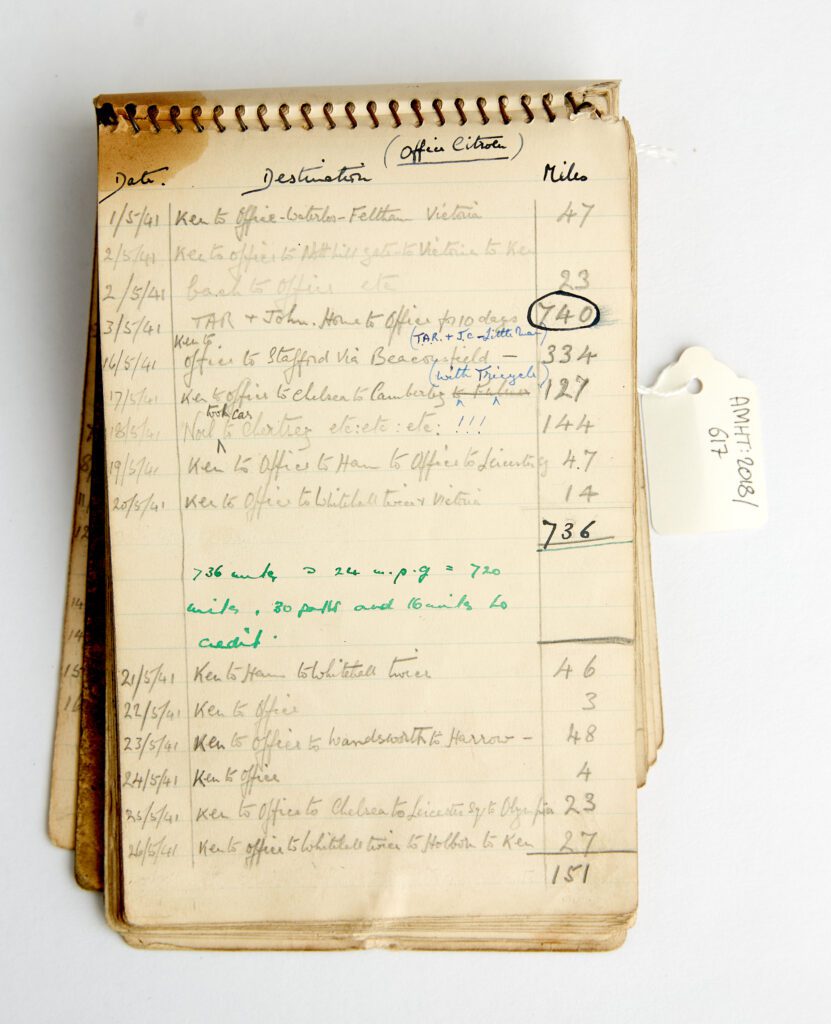
Clearly, when the time-sensitive need arose to transport ‘Major Martin’ to a Scottish naval yard and deliver him to British submarine HMS Seraph, Horsfall was the man for the job.
He even owned the ideal vehicle, according to some accounts; a large 1937 Fordson van that had been used to transport the Black Car to races. Having rebuilt the engine with performance parts, it was apparently also capable of reaching over 100mph.
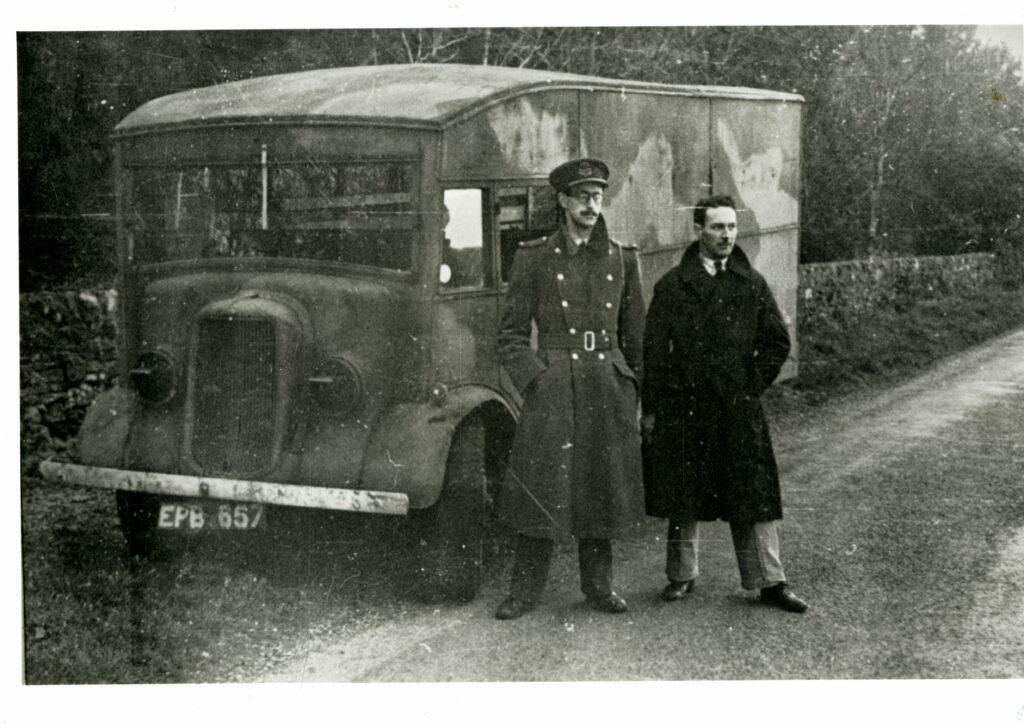
We’re fortunate to have a number of items in the collection related to Jock Horsfall, and you can see them online via the Online Collection, or at the museum where his helmet and goggles are on display alongside other items owned by him.
Horsfall returned to racing after the Second World War ended, but died only four years later on 20 August 1949, at the inaugural BRDC International at Silverstone. Having finished in sixth place in the first twenty-lap heat, on lap thirteen of the thirty-lap final race, his ERA race car rolled after clipping a straw bale at Stowe Corner.
An untimely end for a man who played a small but not insignificant part in a mission which would not only change the course of the Second World War but also the future of espionage.